
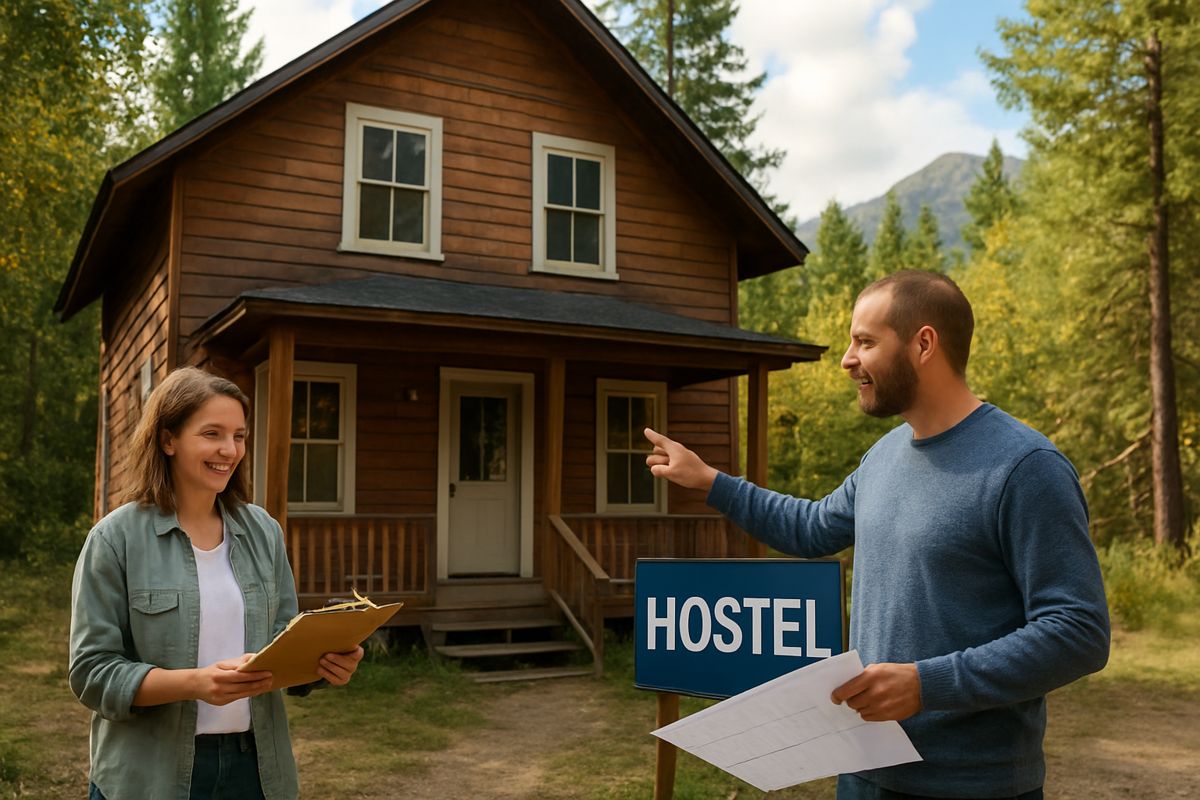
Converting a House or Inn Into a Hostel: Zoning and Permits
Posted on October 22, 2026 • 5 minutes • 922 words
Converting a house or inn into a hostel is an exciting way to create a welcoming space for travellers while making good use of existing property. However, before you open your doors, you need to ensure the conversion complies with local zoning laws and permit requirements. These rules protect guests’ safety, the community’s character, and your business’s legal standing. Understanding how to navigate zoning and permits will help you avoid costly delays and fines.
Understanding Zoning Regulations for Hostels
Zoning laws designate how parcels of land in a municipality can be used, often specifying areas for residential, commercial, industrial, or mixed uses. Hostels generally fall under commercial or mixed-use categories, depending on their size and services offered.
When converting a house or inn into a hostel:
- Check the current zoning designation of your property through your municipal or city planning department website or office.
- Determine whether ‘boarding houses,’ ‘lodging houses,’ or ‘hostels’ are permitted uses in your zone. The definitions vary between municipalities.
- Look for any restrictions on the number of guests, parking requirements, and building modifications.
- If your property is in a residential zone where hostels or boarding houses are prohibited, you may need to apply for a zoning amendment or a variance.
Zoning rules differ widely across provinces and municipalities, so be sure to consult the specific local bylaws. Some municipalities even have a special “tourist accommodation” or “short-term rental” zone or policy.
Permits and Licences Required for Hostel Conversion
Getting the right permits is crucial to ensure your hostel meets health and safety standards. Common permits to consider include:
- Building permits: Required if you plan renovations such as adding rooms, fire exits, or bathrooms.
- Occupancy permits: After renovations, an occupancy permit confirms your building is suitable for lodging guests.
- Business licence: Municipal business licences may be required for operating a hostel.
- Fire safety inspection and permit: Hostels must comply with fire codes, including alarms, extinguishers, and emergency exits.
- Health inspections: If you provide meals, operate a commercial kitchen, or offer communal dining areas, food safety permits and inspections are essential.
- Signage permits: Installing external signs usually requires municipal approval.
Permit processes and fees vary between locations. Contact your local building department, fire department, and health authority to learn exact requirements. Some areas offer pre-consultations for hospitality businesses, which can save time and reduce the risk of missing permits.
Renovating to Meet Safety and Accessibility Standards
Keeping your guests safe is a legal and ethical priority. During your conversion, pay attention to:
- Fire codes: Install smoke detectors, emergency exit signs, fire extinguishers, and ensure clear evacuation routes. Some municipalities require sprinklers in multi-room lodgings.
- Building codes: Rooms, staircases, and hallways must meet minimum size and headroom standards. Washrooms and plumbing systems may need upgrades.
- Accessibility: Strive to make your hostel accessible to people with disabilities by including ramps, wide doorways, and accessible washrooms. While requirements differ, accessibility is increasingly emphasized.
- Ventilation and lighting: Proper air circulation and lighting affect guest comfort and health.
- Noise insulation: Consider soundproofing options to keep guest rooms quiet.
Hiring a qualified architect or contractor experienced with hospitality renovations can help you navigate the rules. Many municipalities offer checklists or guides tailored for lodging businesses.
Managing Neighbourhood and Community Concerns
Opening a hostel can affect neighbours, especially in primarily residential areas. You might face concerns about noise, traffic, parking, and security. To reduce friction:
- Clearly communicate your plans with neighbours ahead of time.
- Plan for sufficient on-site parking or arrange agreements for nearby parking.
- Implement quiet hours and guest conduct policies.
- Consider a property management system that logs guest check-ins to avoid overcrowding.
- Add security cameras and lighting in common areas.
Some municipalities require public notice or community consultation as part of the permitting process, especially for zoning changes or permits for larger lodgings.
Tips for a Smooth Approval Process
- Start early: Permit applications and zoning reviews can take weeks or months.
- Collect and organise all documentation, including property surveys, floor plans, business plans, and renovation specs.
- Engage professionals, such as architects, zoning consultants, and legal advisers.
- Attend municipal meetings or hearings related to your permits or zoning changes.
- Keep detailed records of all correspondence with authorities.
Following the process methodically builds goodwill with regulators and your community. It also helps avoid surprises during inspections or when you open.
Frequently Asked Questions
Do I need a zoning change to operate a hostel in my neighbourhood?
It depends on your local zoning bylaws. Some residential zones prohibit lodging businesses, requiring a zoning amendment or variance. Check your municipal planning department’s rules before proceeding.
What permits should I get when converting an inn to a hostel?
Building permits for renovations, occupancy permits to legally house guests, business licences, fire safety approvals, and potentially health permits if you serve food are commonly required. Contact local authorities for your area’s specifics.
How do I ensure my hostel meets fire safety standards?
Install smoke detectors, fire extinguishers, and clearly marked emergency exits. Follow local fire code requirements, which may include sprinkler systems. Consult your fire department for inspections and guidance.
Can I operate a hostel without extensive renovations?
This depends on your current building’s compliance with lodging and safety codes. An older inn may already meet some requirements, but many houses will need upgrades for fire safety, accessibility, and occupancy. A building inspection can clarify needed work.
Run an independent hostel, campground or budget stay in Canada? List your hostel or property for a one-time fee and help travellers (and the AI tools they use) find accurate details about your place.